
© 2026, Emli Digital
Emli
Issue No. 014
This week, travel beyond the familiar map.
Field notes on travel, culture and the unfamiliar — curated weekly.
Opening Note
Every week, we step off the marked trail — into landscapes, rituals and ideas that resist the postcard version of travel.
We are drawn to the unfamiliar — the places that ask for patience rather than a checklist. Slower travel through overlooked corners, where the ordinary reveals itself only to those willing to wait and watch. What follows is a record of quiet observation, gathered from the edges of the map.
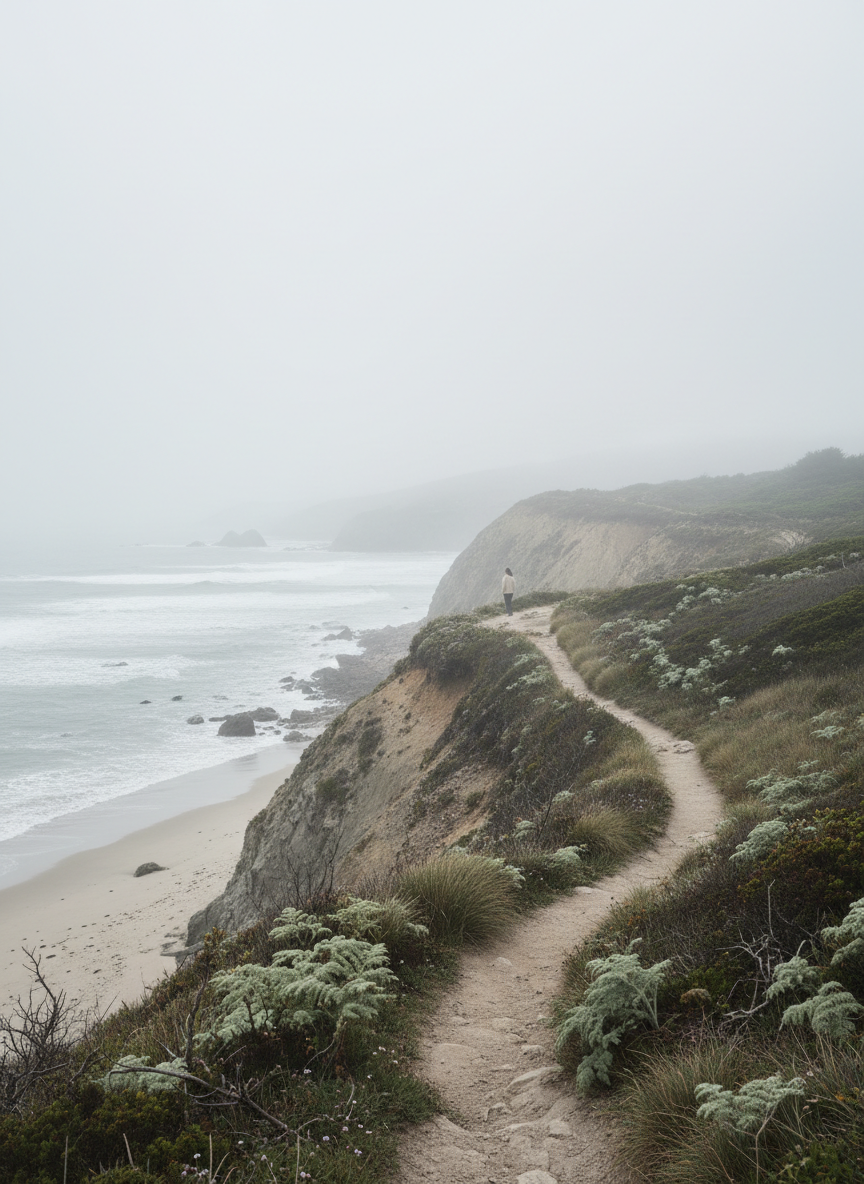
01 — Somewhere north of nowhere.
01
The Salt Roads of Ibiza
Landscape · Slow Travel
fmfmfmfmmffmfmfm
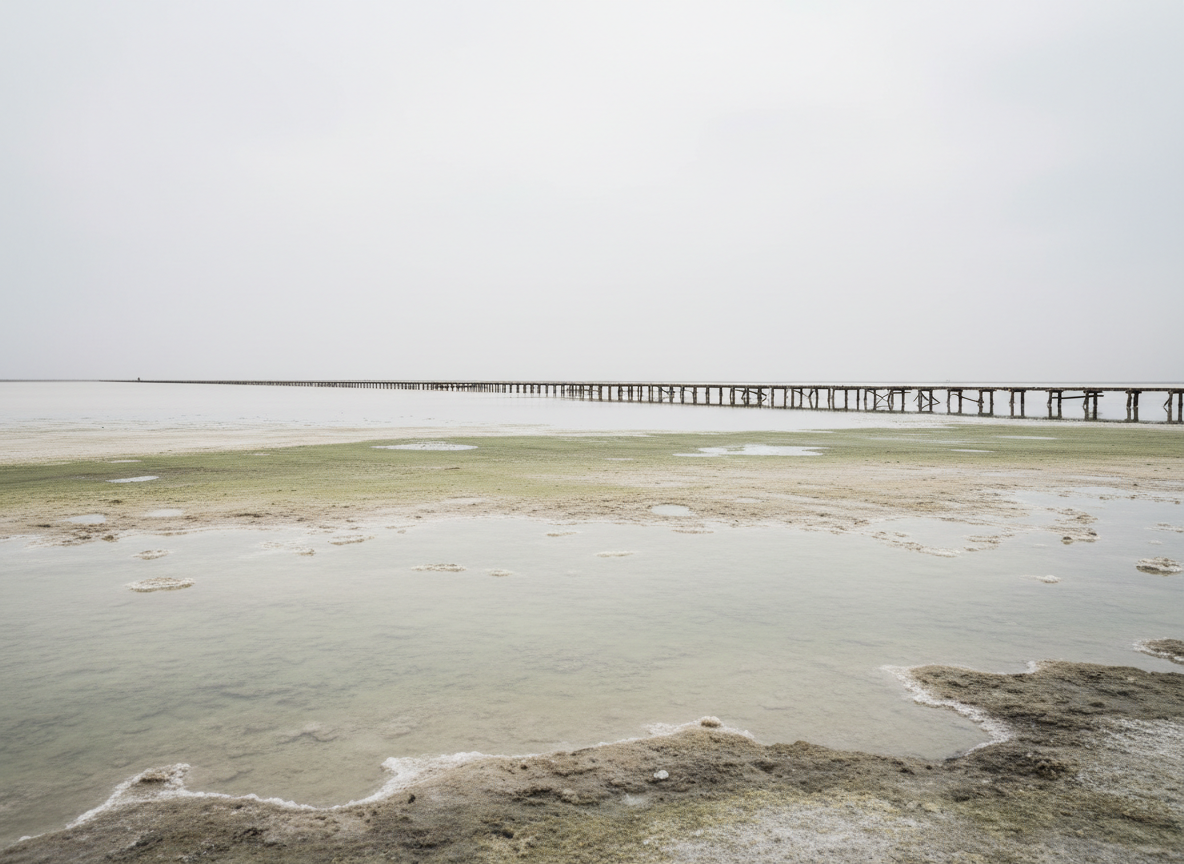
02 — Salt flats at low tide.
02
Marrakesh After Dark
City · Ritual & Night
The medina empties of its daytime crowds and settles into something older. Lantern light pools on the tiled floors, the scent of orange blossom and charcoal drifts through the alleys, and the calls of vendors soften to a murmur. Wander without a map and the city offers its quieter self — a doorway, a courtyard, a cup of mint tea poured for no reason at all.
Editorial Desk
To travel well is not to collect places, but to let a place slowly rearrange the way you see.
03
Culture · Portrait
The Last Ferrymen of the Danube Delta
Where the river loosens into a hundred silver channels, a handful of ferrymen still read the water by memory. They know which reeds hide a current and which stillness means a storm. To ride with them is to relearn patience — to let the delta set the pace, one slow oar-stroke at a time.
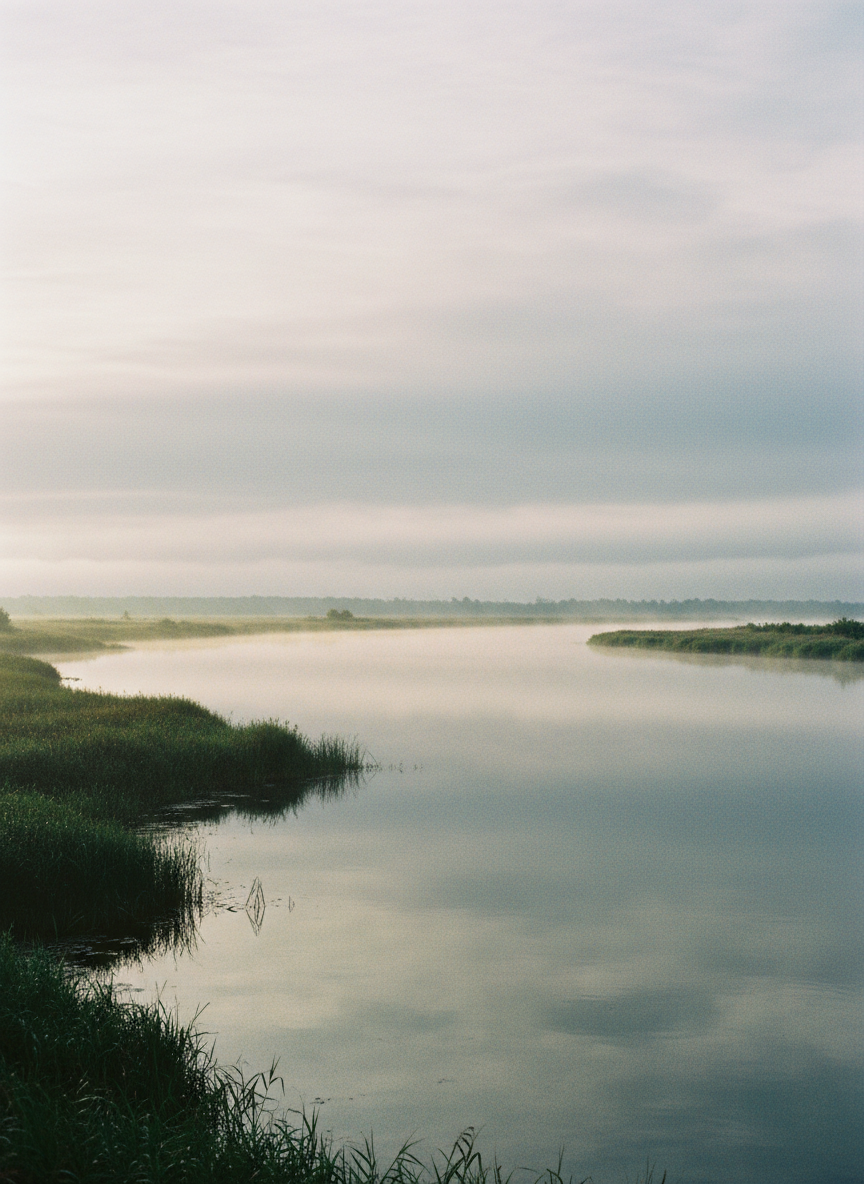
03 River light at dusk

04 Woven textile detail
05 Weathered boat wood
04
Culture · Reading
Notes on Silence: A Reading List
A short shelf of books for the slow traveller — pages that argue, gently, for walking further and speaking less.
Editorial Note
On the Idea of the Unfamiliar Map
This week's issue was assembled slowly, and on purpose. We set out to resist the obvious travel narrative — the checklist, the vista, the arrival — and to spend our attention instead on the smaller registers: the pace of a river, the weight of a woven thread, the quiet of an unhurried afternoon.
What follows is less a guide than an argument for looking past the surface — for attentiveness over accumulation. Each entry was chosen because it rewards a second glance, because it asks something of the reader who is willing to stay a moment longer than expected.
Compiled by the Emli editorial desk.
05
Terracotta Rooftops of Fes
Architecture · Craft
From the medina's higher terraces, the city resolves into a field of clay — thousands of flat roofs rising and settling like tiles left out to warm. At midday the surfaces hold the light rather than reflect it, and the whole quarter seems to breathe in a single ochre tone. To stand there is to understand a city built by hand, one sun-dried course at a time.
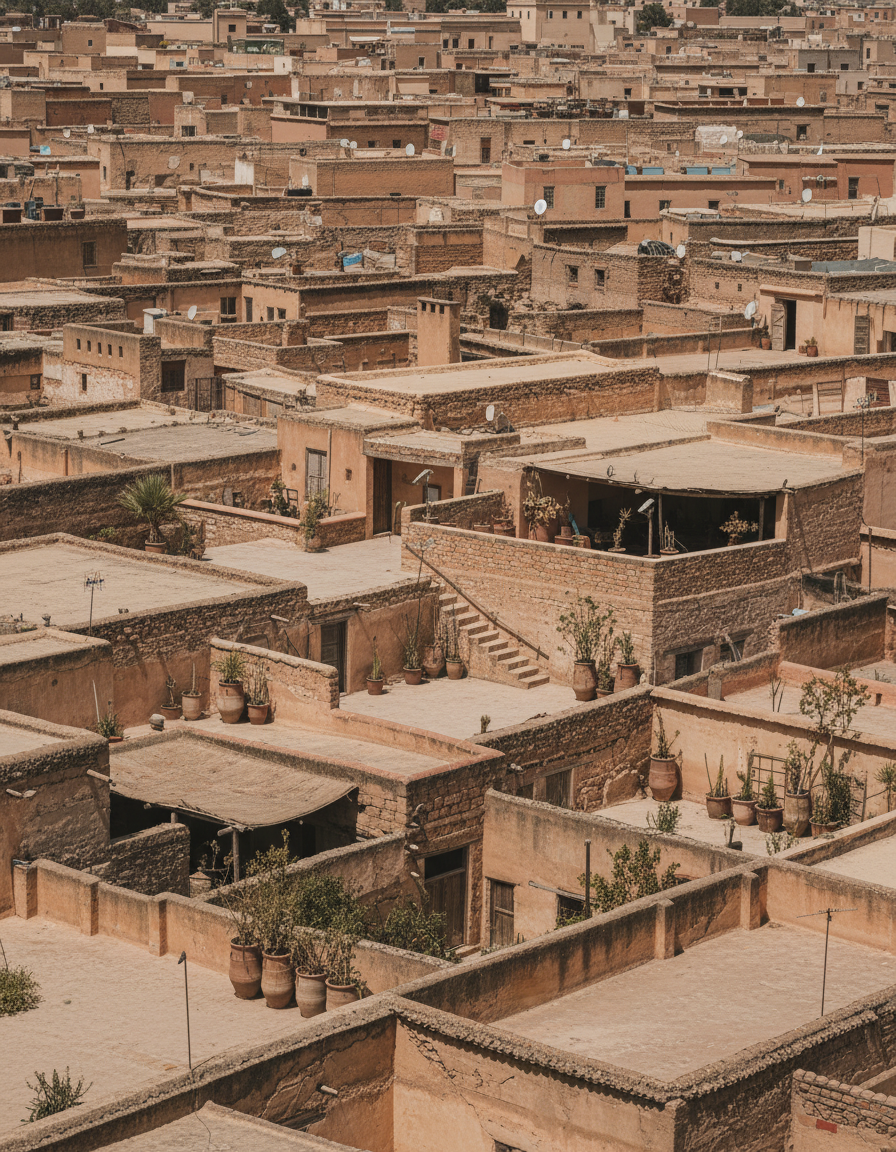
06 — Rooftop terraces at midday light.
06
A Cartographer's Notebook
Ideas · Mapping
There is a kind of map no printer will ever sell you — the one drawn by hand, in the margins of a notebook, after you have already walked the street. To sketch a place is to notice it twice: once with the feet, once with the pen. The result is imprecise and deeply personal, a private cartography that measures not distance but attention, and remembers the corners no atlas bothers to name.
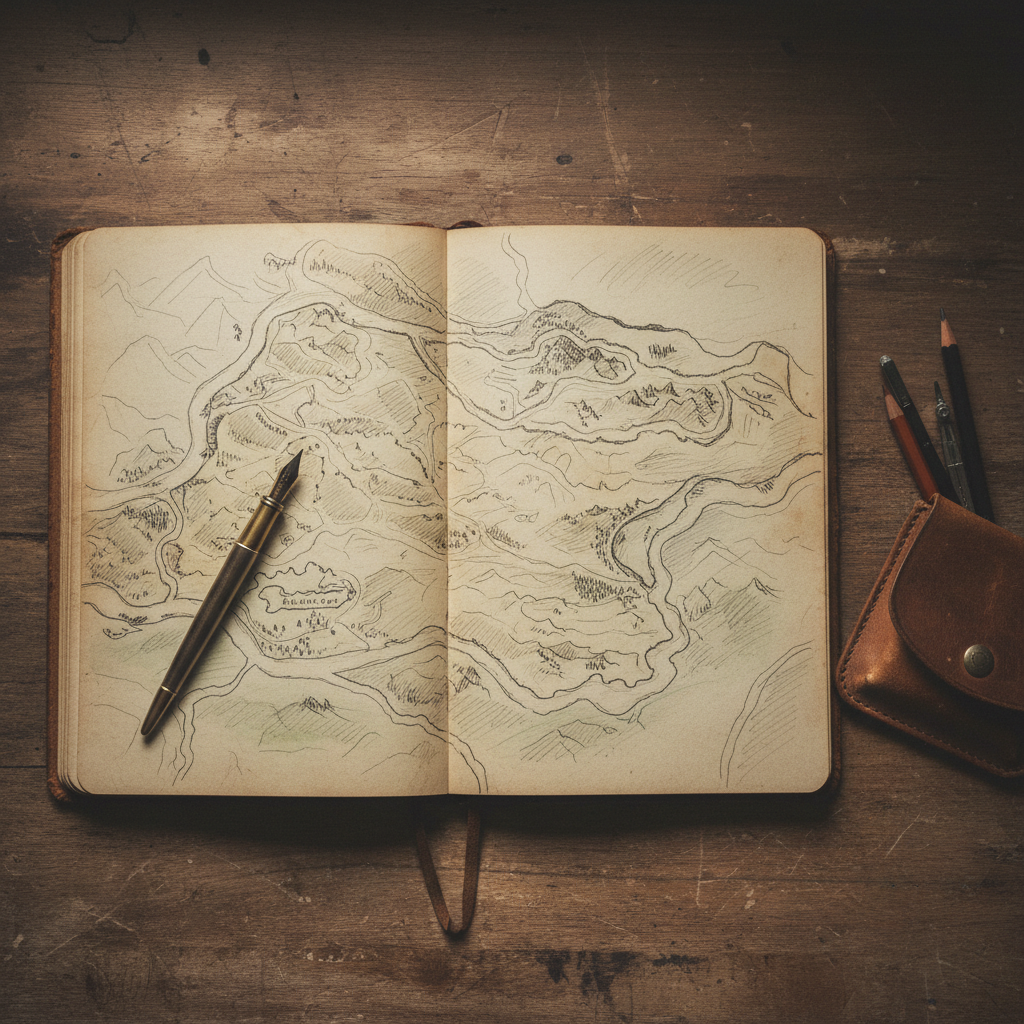
07 — A hand-drawn coastline.
Reader's Guide
How to Read This Issue
When
Read it when the day allows a little stillness — a slow window rather than a stolen minute.
Morning
Evening
Anytime
Where
Anywhere you feel unhurried — a chair by the window, a bench, the last carriage of a slow train.
In-Tune
Inspired
Anywhere
What
Essays, dispatches and quiet observations — pieces meant to be lingered over rather than skimmed.
5-10 Min
10-20 Min
20+ Min
Note
Hear our editor-in-chief introduce the theme of this week's issue.

08 — Editor's introduction to this week's theme.
Journal Prompt
What is the last place that surprised you?

01
01 — Wingspan, found near the coast
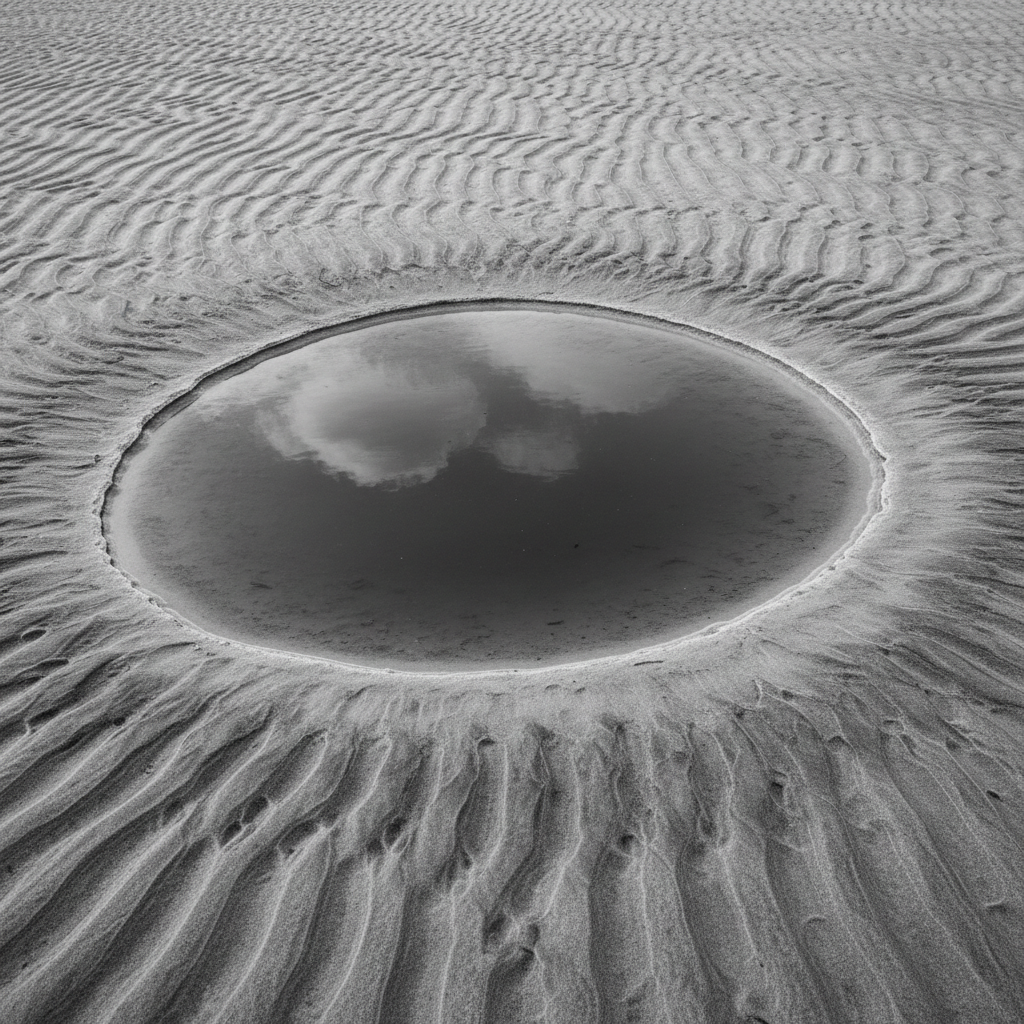
02 — Salt basin at low tide
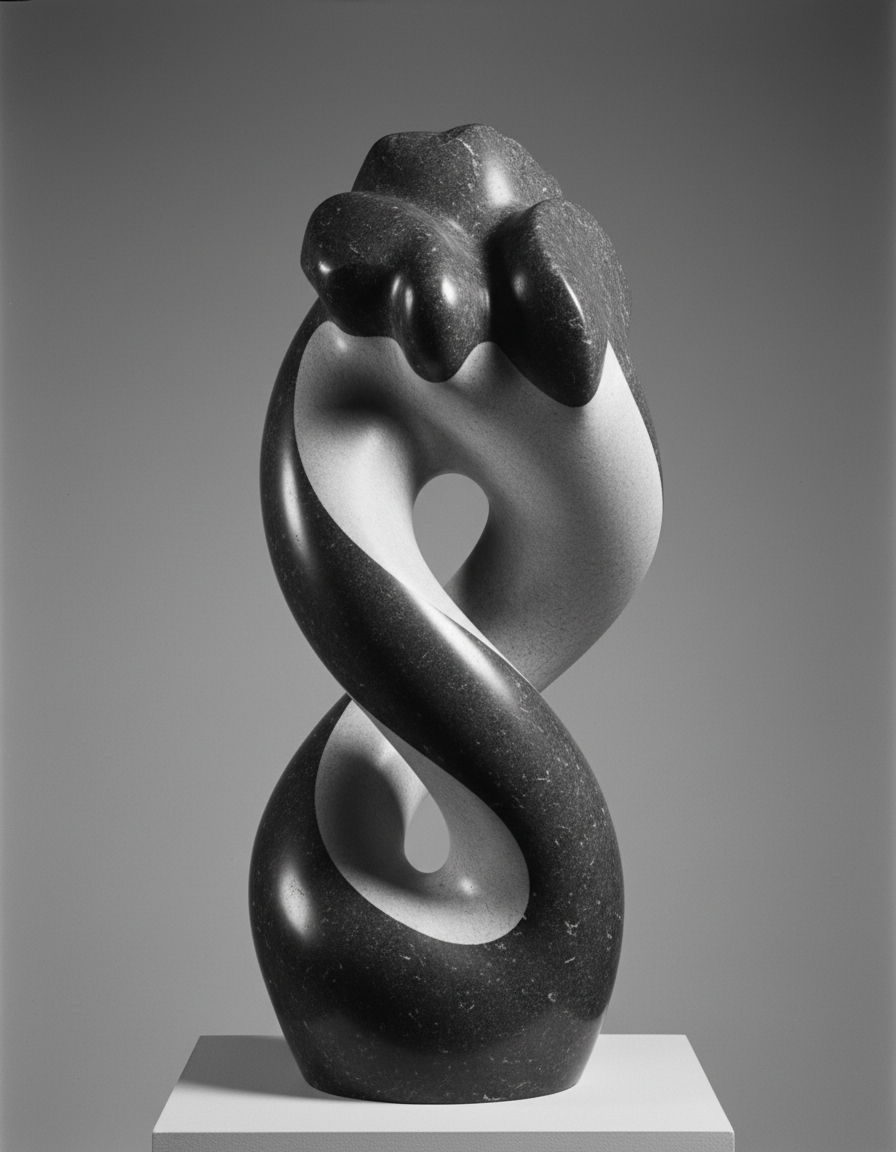
03 — Carved stone, artist unknown
That quiet turn in the road you did not plan for. The place that asked nothing of you and gave everything.
Write it down before the detail fades. Surprise is where memory keeps its clearest colour.
02
03
Field Notes — 02
Arrive somewhere unfamiliar and the instinct is to name it quickly — to fit the streets and faces into shapes you already recognise. But a place only begins to reveal itself when you stop trying to summarise it. Slow observation asks little of you: to notice the light before you name the hour, to hear a language before you translate it, to let a corner stay strange a little longer than feels comfortable.
A place you cannot yet explain is a place still willing to teach you something.
The details that stay with you are rarely the ones on the map. A shopkeeper's morning ritual, the sound a particular door makes, the way afternoon shade pools in one square and not another — these accumulate quietly until, without deciding to, you have begun to understand the rhythm of a place from the inside rather than the outside.
Understanding arrives sideways, never on schedule.
So we return with fewer conclusions and more attention — carrying not a verdict on a place but a handful of small, exact things we chose to notice. That, in the end, is what a field note is: proof that we were present enough to be changed, even slightly, by somewhere that was never ours to keep.
Something to Notice
What was the first thing you noticed today that you had no words for yet?
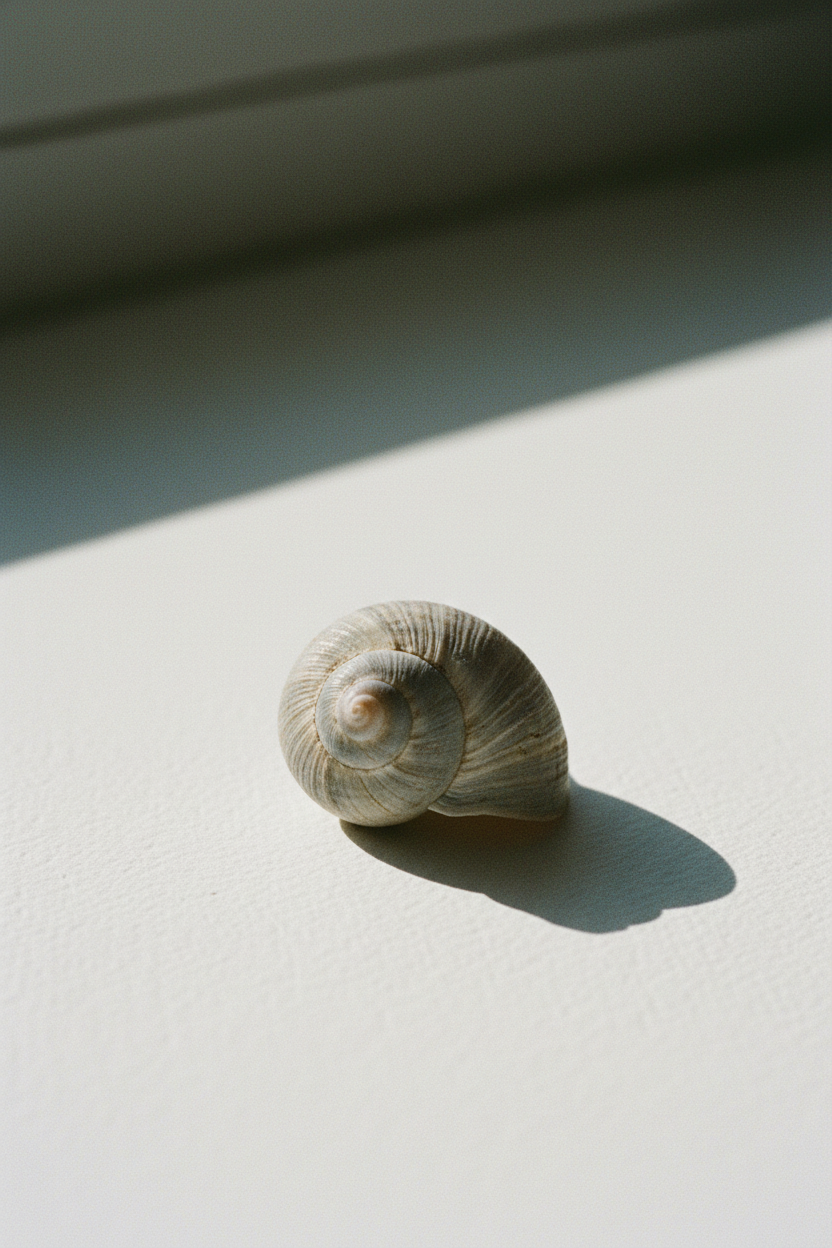
01 — Shell
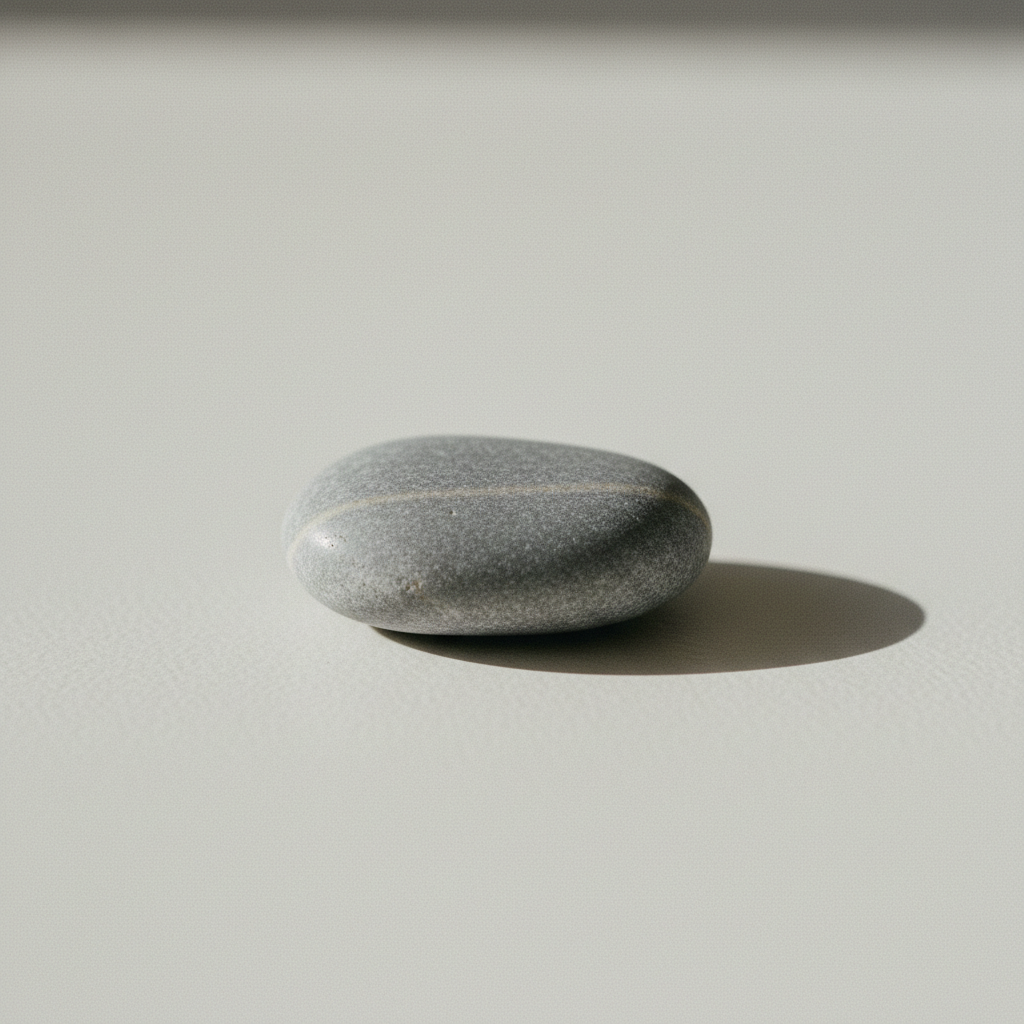
02 — Stone
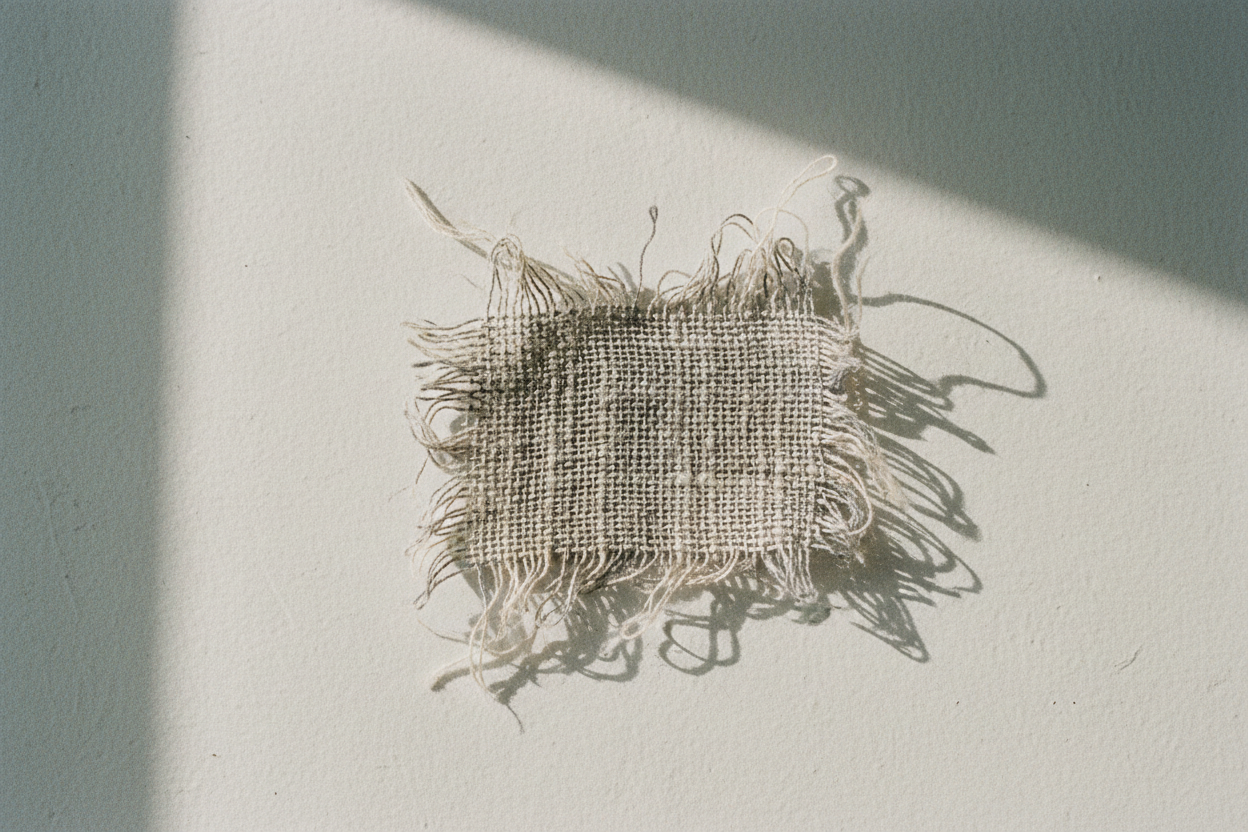
03 — Cloth
Appendix — 03
Further Resources
Letters From Elsewhere — a travel correspondence
01
Author
Marguerite Vane
Topic
Slow Travel, Displacement
Length
Short Read
Read
The Quiet Atlas — essays on unmapped places
02
Author
Idris Halloran
Topic
Landscape, Memory
Length
Mid-Length
Read
On Staying Longer — a field guide to attention
03
Author
Selma Aubry
Topic
Attention, Presence
Length
Short Read
Read
Notes
These three were chosen less for what they explain than for how they pay attention. Each returns to a place slowly, refusing the tidy conclusion — which felt right for an issue built around staying longer than is comfortable.
Vane's letters and Aubry's field guide sit almost in conversation — one written outward to a stranger, the other inward toward the self. Read together, they map the same quiet territory from opposite ends.
None require finishing in one sitting. If anything, they reward the interruption — a page left open on the table for a week is closer to the spirit of the thing than a single hurried read.
Closing Note
Travel, in the end, is not a matter of distance but of attention — the willingness to look longer than the map suggests. To go beyond the familiar is simply to notice what was always there, waiting past the edge of the known. We leave you with that quiet instruction: keep looking.
Emli — Independent Art & Publishing Project
Issue No. 014 — Published Weekly