
© 2026, Emli Digital
WEEKLY JOURNAL — ISSUE 02
This week, question the culture of sameness
On cultural repetition, the disappearance of creative risk, and the people still making room for something genuinely different.
There is a peculiar feeling that comes with looking at contemporary culture: everything seems to be happening, yet remarkably little feels new. We have more films, music, fashion collections, exhibitions and creative content available to us than any previous generation, but much of it appears strangely familiar.
The same references return, the same aesthetics circulate, and the cultural figures who defined the early 2000s are often still the ones commanding our attention today. In fashion, entire decades are revived before we have finished revisiting the previous one. Hollywood continues to invest in sequels, franchises and familiar intellectual property.
By the time we recognise something as a trend, it has often already become a formula. This week, we explore six perspectives on cultural originality and the individuals and projects making a convincing case for doing things differently.
Everything seems to be happening, yet remarkably little feels new.
01
Blank Space by W. David Marx

Blank Space: A Cultural History of the Twenty-First Century, 2025
One of the more thought-provoking cultural books of recent years, Blank Space: A Cultural History of the Twenty-First Century examines why an age of seemingly unlimited creative production has produced so much repetition. W. David Marx, an American cultural historian based in Tokyo, traces the evolution of popular culture through fashion, music, cinema, celebrity and the internet, looking at the economic and social forces that determine which ideas become influential.
His central observation is that contemporary culture has become remarkably good at producing entertainment, but less successful at creating new artistic directions.
Why does everything new feel so familiar?
What makes Marx particularly interesting is his attention to the structures surrounding creativity. Rather than simply suggesting that artists have become less imaginative, he considers how the systems that finance, distribute and reward their work have changed.
02
Why Culture Has Come to a Standstill
Why Culture Has Come to a Standstill
Read
Author
Jason Farago
Publication
The New York Times Magazine
Year
2023
Read Why Culture Has Come to a Standstill
In this widely discussed essay, New York Times critic Jason Farago considers a similarly unsettling possibility: that the twenty-first century may be remembered as a period of unusually limited cultural transformation.
Looking across art, music, cinema and popular culture, Farago examines the persistence of familiar styles and the apparent difficulty of identifying an aesthetic that belongs unmistakably to our own time.
One of the most interesting aspects of the essay is the distinction between technological change and artistic change.
Our methods of creating, distributing and consuming culture have been transformed almost beyond recognition, yet the cultural forms themselves have not necessarily evolved at the same pace.
Read alongside Marx's book, the essay provides a fascinating starting point for understanding why contemporary culture can feel simultaneously abundant and repetitive.
03
Discover
MacGuffin, the magazine finding extraordinary stories in ordinary things

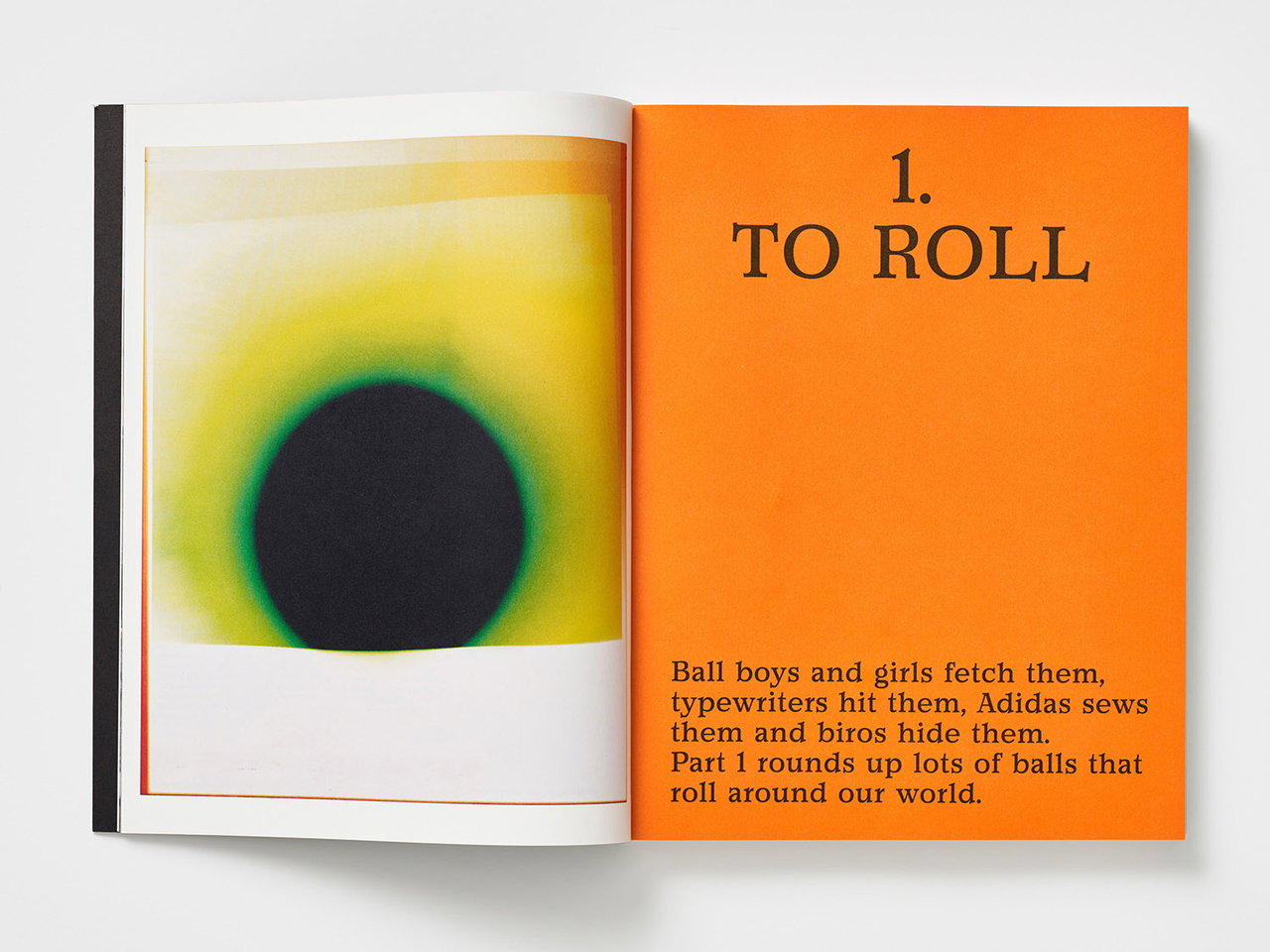
Independent publishing, Amsterdam
In a publishing landscape where magazines frequently return to the same celebrated designers, interiors and cultural personalities, the Amsterdam-based publication MacGuffin has developed a refreshingly unusual editorial proposition: every issue is devoted entirely to one ordinary object.
Previous editions have explored the bed, the sink, the rope, the cabinet, the rug and the bottle. Issue No. 15 focused on the stitch, while No. 16 turns its attention to the mirror.
These apparently modest subjects become starting points for unexpectedly wide-ranging investigations across architecture, history, politics, anthropology, literature and everyday life.
There is something quietly radical about this editorial approach. Rather than chasing the newest cultural phenomenon, the magazine has established its own way of seeing the world.
Its originality comes from the questions it chooses to ask, not from constantly searching for an unfamiliar subject.
Explore MacGuffin and its back catalogue
04 — Listen
Time Is Away on NTS Radio
When a radio programme becomes an art form
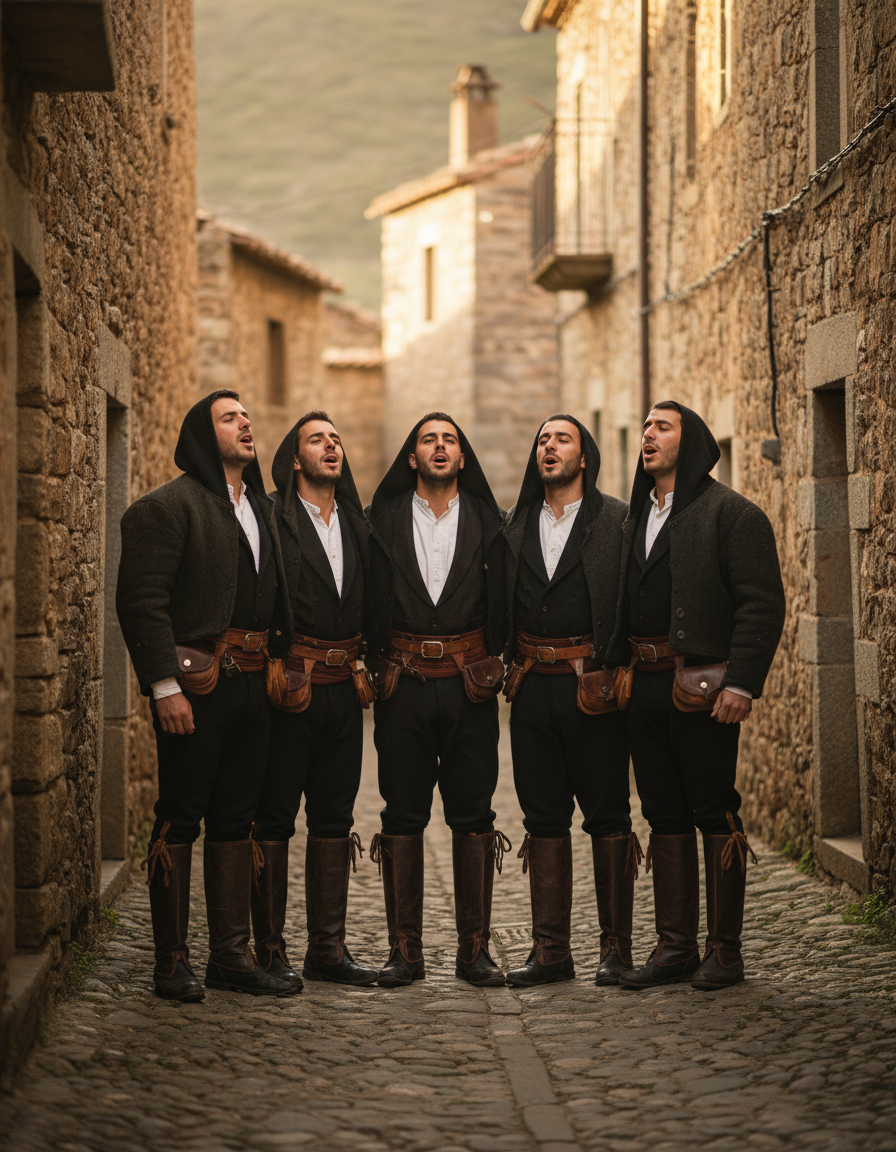
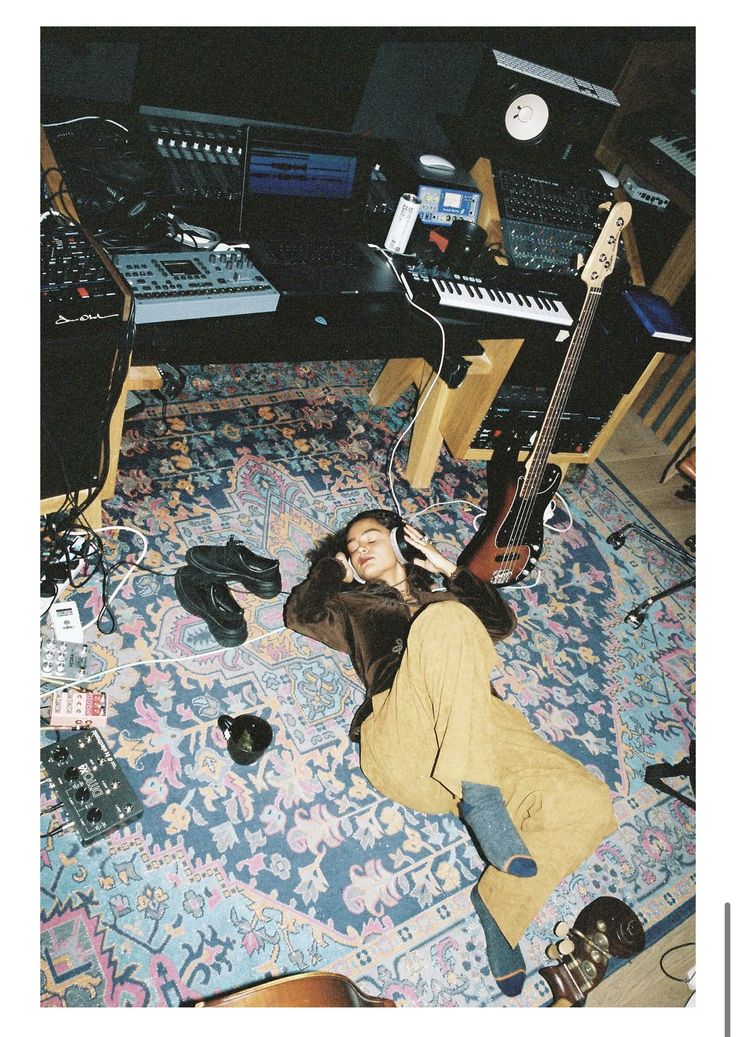
Among the many ways algorithms have changed our relationship with music, perhaps the most noticeable is how easily listening becomes an exercise in familiarity. Streaming platforms are exceptionally good at identifying what we already enjoy and providing us with more of it. London-based NTS Radio offers one of the most interesting alternatives.
Founded in 2011, the independent station has developed an extraordinary archive of programmes curated by DJs, musicians, collectors and artists from around the world.
A particularly compelling example is Time Is Away, a monthly programme that combines music with archival recordings and fragments of spoken word. Its episodes unfold somewhere between a radio documentary, an experimental mixtape and an audio essay, creating unexpected connections between sounds and stories that might otherwise never meet.
It is a reminder that innovation does not always require entirely new material. Sometimes it emerges from an unusual relationship between things that already exist.
05
Watch
Hundreds of Beavers, a film that refuses to behave like one
Directed by Mike Cheslik

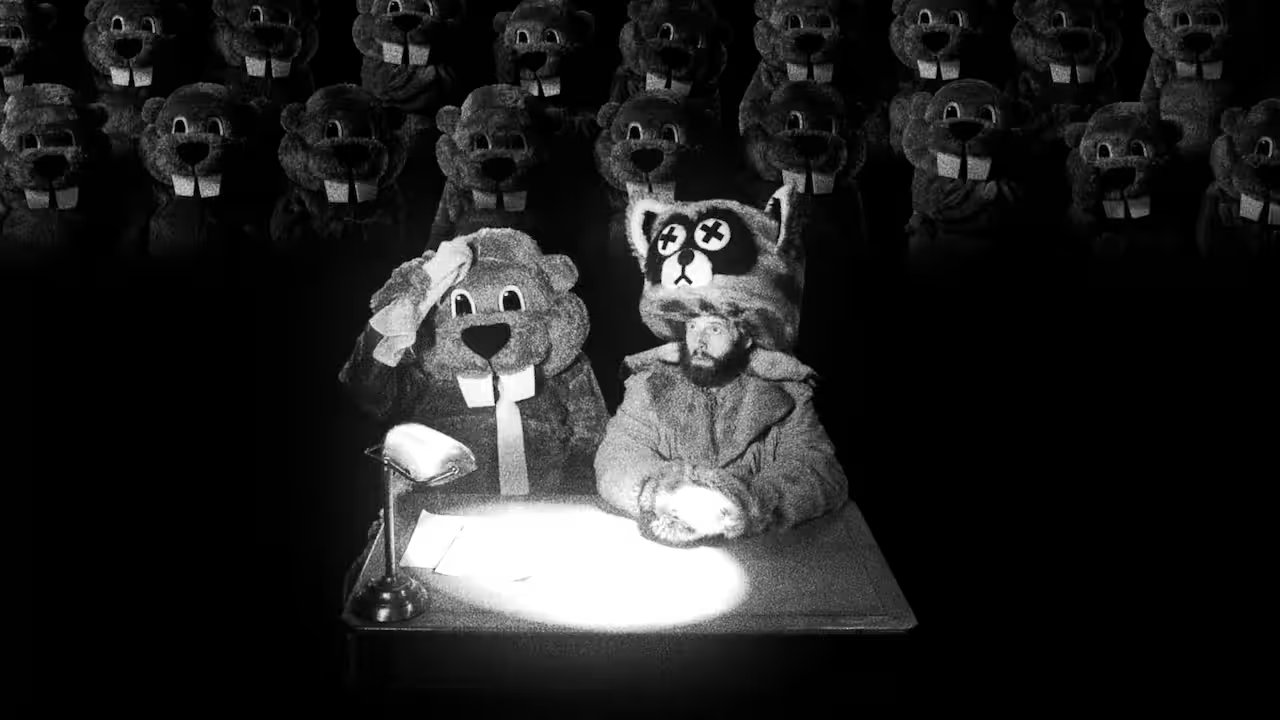
Hundreds of Beavers, dir. Mike Cheslik, 2022
At a moment when mainstream cinema relies heavily on established franchises and increasingly familiar storytelling conventions, Hundreds of Beavers is a wonderfully eccentric demonstration of what independent filmmaking can still achieve.
The black-and-white comedy follows a nineteenth-century applejack salesman attempting to survive in a frozen wilderness populated by an increasingly absurd collection of animals, including an army of beavers played by actors in oversized costumes.
Drawing inspiration from silent cinema, early Hollywood slapstick, physical comedy and the logic of cartoons, it develops a visual universe with its own increasingly elaborate rules.
What makes the film remarkable is not simply its eccentricity, but the consistency of its vision. Every creative decision belongs to the same peculiar world.
There is an important distinction between being deliberately strange and having an original point of view. Hundreds of Beavers succeeds because its unusual ideas are supported by genuine cinematic craft.
Watch the official trailer
06 — Discover
Alcova, where design escapes the conventional exhibition
Independent design platform, Milan
Founded by Joseph Grima & Valentina Ciuffi
Milan Design Week — 2026 edition
Former Baggio Military Hospital
Villa Pestarini by Franco Albini, Milan

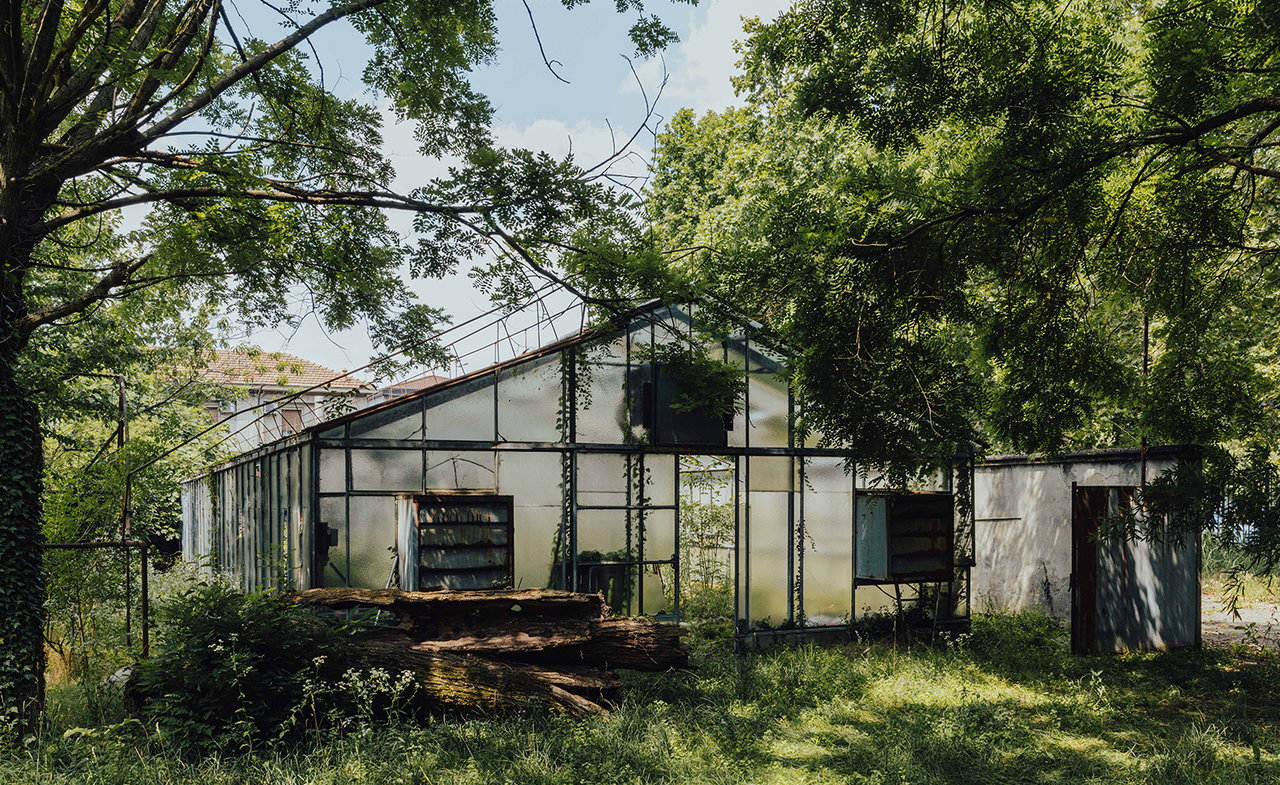

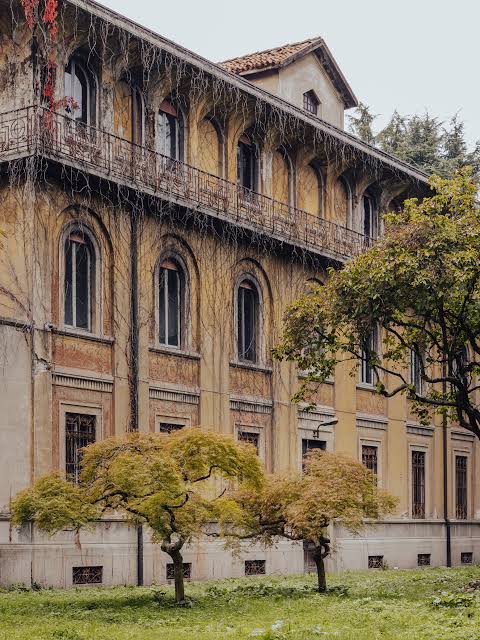
If contemporary design sometimes appears trapped between familiar aesthetics and the commercial demands of producing the next desirable object, Milan's Alcova offers a rather different perspective. Founded by Joseph Grima and Valentina Ciuffi, Alcova has become an important platform for independent and experimental design, presenting work in unconventional architectural settings rather than the polished showrooms traditionally associated with Milan Design Week.
Across its editions, the project has transformed abandoned industrial buildings, historic residences and overlooked urban spaces into temporary environments for contemporary creative work.
The 2026 edition took place at two particularly intriguing sites: the former Baggio Military Hospital and Villa Pestarini, a rare private residence designed by Franco Albini.
What distinguishes Alcova is its willingness to accommodate work that sits somewhere between the functional, the sculptural and the speculative.
Not every project needs to propose an immediately marketable product or fit neatly into an established aesthetic category.
Explore Alcova and its exhibitions
07
A final thought
Perhaps the problem with contemporary culture is not that we have run out of ideas, but that we have become extraordinarily efficient at recognising, reproducing and distributing the ones that already work.
Originality has always been difficult to measure, and what feels revolutionary in retrospect may have seemed strange, marginal or entirely unimportant when it first appeared.
The projects collected here offer a useful counterpoint to the idea that everything has already been done.
They share little in terms of medium, style or audience, but each has developed a particular way of approaching its subject without appearing especially concerned with fitting into an existing category.
Closing
There is something reassuring about knowing that, even in a culture increasingly shaped by repetition, people are still making magazines about sinks, constructing improbable films about beavers, assembling strange musical narratives and transforming forgotten buildings into spaces for new ideas.
Culture may be more repetitive than we would like, but the interesting work has not stopped.
It is simply worth knowing where to look.